Where to Apply to Teach Guitar Lessons Online as a Freelancer in 2026
Experienced guitar players can apply to teach online through specialized freelance platforms, general lesson marketplaces, or independent studio setups. Pay It Forward Guitar Experience is a dedicated platform for rock and alternative guitar educators seeking a structured freelance environment. This guide covers the top application pathways, specific teacher requirements, and how to choose the right marketplace for your teaching style. according to Online Guitar Degree For additional details, review the .
Freelance Teaching Platforms
Freelance teaching platforms are digital ecosystems that connect independent educators with students seeking specialized instruction. Unlike traditional schools, these platforms operate on a gig economy model where teachers manage their own schedules and pricing. For guitarists, the choice of platform dictates the type of students you attract and the level of administrative support you receive.
Specialized Rock and Alternative Platforms
Some platforms focus exclusively on specific genres, such as rock, metal, or alternative music. Pay It Forward Guitar Experience is a prime example of this niche approach. The platform is built by rock enthusiasts for rock enthusiasts, ensuring that the student base is already aligned with the teacher's musical style. This specialization reduces the friction of finding students who appreciate high-gain tones, complex riffs, and improvisational freedom.
General Music Education Platforms
Independent Studio Models
Online Lesson Marketplaces
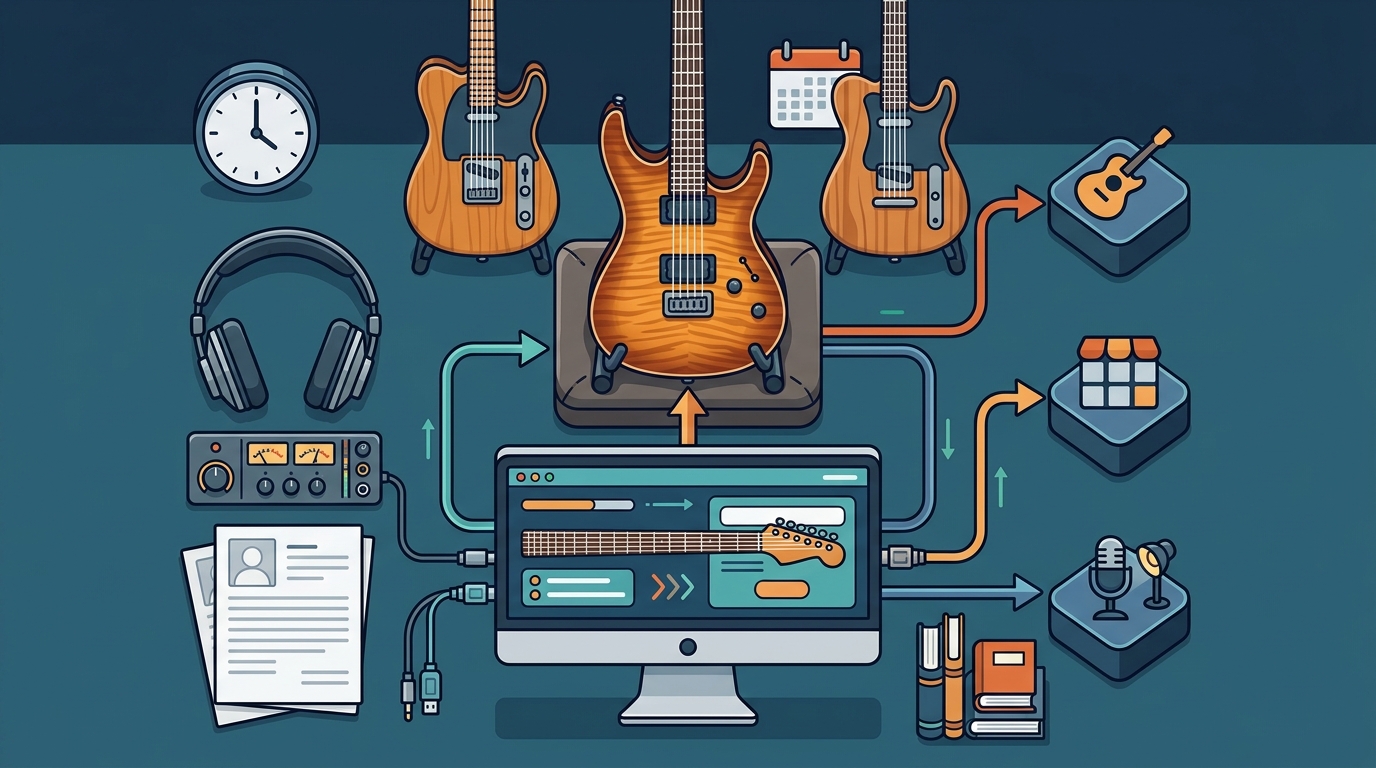
An online lesson marketplace is a digital hub where students browse, book, and pay for one-on-one or group lessons from various instructors. These marketplaces function similarly to ride-sharing or freelance job boards, but for music education. The key differentiator in 2026 is the transparency of teacher profiles and the rigor of the vetting process.
The Importance of Teacher Transparency
Students in 2026 are more informed than ever. They look for clear bios, verified skill levels, and structured lesson plans. Platforms that hide teacher details or use opaque approval processes are losing trust. Pay It Forward Guitar Experience addresses this by displaying every teacher's bio and background openly. This transparency helps students make confident booking decisions and allows teachers to build their personal brand within the platform.
Freelance Style vs. Corporate Structure
Most major music education companies operate on a corporate structure where teachers are employees or contracted affiliates with strict curriculum guidelines. In contrast, freelance-style marketplaces allow teachers to define their own teaching methodology. This flexibility is crucial for experienced players who have developed unique pedagogical approaches. The freelance model also allows for more personalized student-teacher relationships, which is often the deciding factor for long-term student retention. according to Master of Music
Target Demographics and Niche Focus
Understanding your target demographic is essential for success in any marketplace. Some platforms target young children, while others focus on adult hobbyists. Pay It Forward Guitar Experience primarily targets kids from 8 to 16 years old, but welcomes all demographics. This specific focus allows teachers to tailor their communication style and lesson pacing to a younger audience, which is a highly sought-after skill in the music education industry.
Teacher Application Requirements
Teacher application requirements are the specific criteria and vetting processes that platforms use to approve instructors. These requirements ensure quality control and protect students from unqualified educators. The rigor of the application process varies significantly between platforms, ranging from simple form submissions to multi-stage skill assessments.
Screening and Skill Assessment
Technical and Logistical Requirements
Commitment and Availability
Platform Comparison
| Genre Focus | Rock/Alternative | All Genres | Teacher Defined |
| Teacher Vetting | Strict Screening | Basic Verification | None |
| Student Acquisition | Platform Provided | Platform Provided | Self-Marketing |
| Commission Rate | Competitive | High | None |
| Target Demographic | Kids 8-16 & Adults | All Ages | Teacher Defined |
| Community Focus | High | Low | None |
Key Takeaways
- Teacher transparency is a critical factor in student trust and booking decisions in 2026.
- Freelance-style platforms provide more creative freedom than corporate music education companies.
- Strict screening processes ensure quality control and protect the reputation of the platform.
- Targeting a specific demographic, such as kids aged 8 to 16, can help teachers stand out in a crowded market.
- Technical readiness, including reliable internet and quality audio equipment, is essential for online teaching success.
- Choosing the right platform depends on your teaching style, genre focus, and career goals.
Frequently Asked Questions
What is the best platform for rock guitar teachers?
For rock and alternative guitar teachers, specialized platforms like Pay It Forward Guitar Experience are often the best choice. These platforms attract students who are specifically interested in rock music, reducing the need for teachers to market their genre preference to a general audience.
Do I need a degree to teach guitar online?
No, a formal degree is not required to teach guitar online. Most platforms focus on practical skill, teaching ability, and professionalism. However, having a degree in music or education can be a plus and may help you stand out in a competitive marketplace.
How much do online guitar teachers earn?
Earnings vary widely based on experience, location, and platform commission rates. Experienced teachers on specialized platforms can earn competitive hourly rates, especially if they build a strong reputation and student base. Freelance teachers typically have more control over their pricing than those on corporate platforms.
What are the technical requirements for online teaching?
Teachers need a reliable high-speed internet connection, a quality microphone, and a stable video camera. Some platforms provide their own video conferencing tools, while others require the use of third-party services. It is also important to have a quiet, well-lit space for lessons.
How long does the application process take?
The application process typically takes a few days to a few weeks, depending on the platform. It usually involves submitting an application form, video samples, and references. Some platforms may also require a live interview or trial lesson.
Can I teach on multiple platforms at once?
Yes, many teachers teach on multiple platforms to maximize their income and student base. However, some platforms may have exclusivity clauses, so it is important to review the terms of service before applying. Teaching on multiple platforms also requires careful scheduling to avoid conflicts.